
Owning a home can be both exciting and daunting, particularly when it comes to making improvements. As a first-time homeowner, it’s crucial to undertake budget-friendly projects that increase property value. In this article, we will explore various aspects of home improvement that are both cost-efficient and effective.
1. How does roofing improve home value?
1.1. Understanding roofing materials and options
Choosing the right roofing material is vital as it affects the overall aesthetic and durability of your home. Roofing specialists can guide you through options like asphalt shingles, metal roofing, and tiles. These professionals have the expertise to recommend solutions that balance quality and budget concerns.
Working with specialized contractors helps in understanding the longevity and maintenance needs of various materials. They evaluate your home’s design and climate requirements before suggesting suitable options. Taking advice from roofing specialists can prevent unnecessary costs in the long run.
An expert’s opinion on belongings such as insulation and ventilation systems can further improve energy efficiency. Roofing specialists ensure all components work harmoniously to enhance home value. Bear in mind that the right choice here could significantly lower future energy bills.
1.2. Cost-effective roofing solutions
Asphalt shingles stand out as a cost-effective option for many homeowners due to their affordability and durability. Roofing specialists can offer variations in design to complement your home’s exterior. Opting for such budget-friendly solutions doesn’t just conserve financial resources but also boosts your home’s curb appeal.
Metal roofing, though slightly pricier, provides a longer lifespan and energy savings. These roofs are resistant to weather conditions making them a popular choice in different regions. A roofing specialist can evaluate if the initial cost aligns with your budget and future savings potential.
Engaging with experienced contractors ensures that you invest in solutions delivering the best long-term value. They can secure materials at lower costs and avoid common pitfalls during installation. With professional assistance, homeowners can achieve an optimal balance between up-front spending and future benefits.
1.3. Hiring the right roofing specialist
Choosing a reliable roofing specialist is essential for ensuring quality and peace of mind. It is recommended to verify their credentials, past projects, and customer reviews. These assessments help ascertain whether the contractor aligns with your expectations and budgetary constraints.
Most credible professionals provide a detailed estimate of costs, outlining labor and material expenses beforehand. This transparency is crucial in budgeting for significant investments like roofing improvements. Licensing and insurance details should also be checked to avert potential liabilities.
Ultimately, investing time in finding the right contractor can prevent overruns and delays. They guarantee adherence to safety codes and high-quality workmanship. This mindful procedure eases the entire transformation process, ensuring satisfactory outcomes.
2. What should you know about hiring asphalt companies?

2.1. Asphalt paving benefits
Opting for asphalt paving brings significant advantages such as resilience and affordability. Asphalt contractors recommend this material for its ability to withstand varying temperatures and weather conditions. Unlike other surfaces, such as those offered by a masonry contractor, asphalt provides a smooth and aesthetically pleasing finish.
Regular maintenance and seal coating can prolong an asphalt surface’s lifespan, ensuring lasting function and appeal. These surfaces are quick to install, significantly reducing labor costs and inconvenience. Engaging professional contractors guarantees optimal design and installation techniques.
Asphalt’s dark surface absorbs heat, aiding in snowmelt during winter. Contractors provide advice on layered installations, maximizing durability and efficiency. This way, homeowners realize considerable long-term savings compared to alternative paving materials.
2.2. Comparing asphalt with other materials
When considering paving solutions, comparing asphalt with options like concrete or gravel is vital. Asphalt offers better flexibility and climate adaptability, making it a preferred choice for driveways and walkways. This pliability allows it to expand and contract without cracking under stress.
While concrete provides extended longevity, it’s often susceptible to staining and requires more maintenance. Asphalt, on the other hand, demands fewer repairs and can be resealed to restore its appearance. Contractors emphasize asphalt’s cost-effectiveness due to its straightforward installation process.
The choice often boils down to budget, climate, and personal preferences. Asphalt contractors possess the knowledge to weigh these factors and advise accordingly. Partnering with experts ensures appropriate material choice tailored to your remodeling needs.
2.3. Choosing reliable asphalt contractors
Hiring the right asphalt contractor is fundamental to successful and cost-effective pavement projects. Before choosing, homeowners should obtain recommendations, check reviews, and request detailed bids from multiple providers. These steps help ensure you find a contractor offering value for money.
Credible contractors possess the experience necessary to overcome common paving challenges. They adhere to construction standards, ensuring quality and compliance throughout the project. Transparency in communication fosters trust, reducing the likelihood of unexpected charges later on.
Moreover, discussing warranty commitments ahead of time protects your investment. Contractors should guarantee satisfaction regarding workmanship and materials used. Establishing clear expectations right away encourages smoother progress and successful completion.
3. How to choose the best siding
3.1. Types of siding materials
Siding materials play a crucial role in defining the external appeal and efficiency of your home. Siding installers offer a broad spectrum of materials such as vinyl, wood, and fiber cement. Each choice comes with distinct advantages, cost considerations, and maintenance requirements. You may want to consult a window company as well when choosing new siding.
Vinyl siding remains a popular pick for first-time homeowners due to its wide style variety, affordability, and low maintenance. Fiber cement, meanwhile, delivers a stunning wood-like appearance without the susceptibility to common issues like rot or pest infestation. Skilled installers assist in evaluating the best options compatible with local climate conditions.
Choosing siding material with professional insight ensures a successful outcome aligned with budget and personal tastes. Siding installers provide comprehensive guidance beyond mere aesthetic aspects, discussing longevity and performance metrics. This expertise secures both functional and design-oriented objectives.
3.2. Budget considerations for siding
Understanding the financial implications of siding choices is imperative for a balanced home improvement project. Vinyl remains an economical option that doesn’t compromise on appearance or durability, which appeals to budget-conscious homeowners. For those willing to invest more, fiber cement offers the alluring allure and toughness often required in harsher climates.
Smart budgeting also involves considering labor costs associated with installation and potential long-term maintenance expenses. Siding installers provide detailed estimates accommodating all these factors, enabling homeowners to make informed decisions. They repeatedly stress the importance of not sacrificing quality for short-term savings.
Engaging with experienced professionals helps detect hidden costs arising from improperly done or damaged siding. Their ability to foresee complications eliminates unforeseen expenses. An accurate budget supports seamless project execution, leading to an enhanced living space without financial strain.
3.3. Partnering with professional siding installers
Securing the right siding installer is key to a satisfactory project result. Clients should verify credentials, review past installations, and assess customer satisfaction before committing. This vetting assures that the chosen installer matches skill levels and budget constraints.
Professionals bring a nuanced understanding of weather conditions and siding performance that amateur attempts may lack. Their in-depth insights translate into enduring and visually appealing installations. Working with qualified installers guarantees not only aesthetic value but also long-term resilience.
Furthermore, partnering with professionals provides comfort within warranties about workmanship and materials. Installers who stand behind their work offer invaluable assurance, reflecting confidence in both product and service. Such partnerships allow homeowners to focus on enjoying their upgraded living spaces with full trust in the outcome.
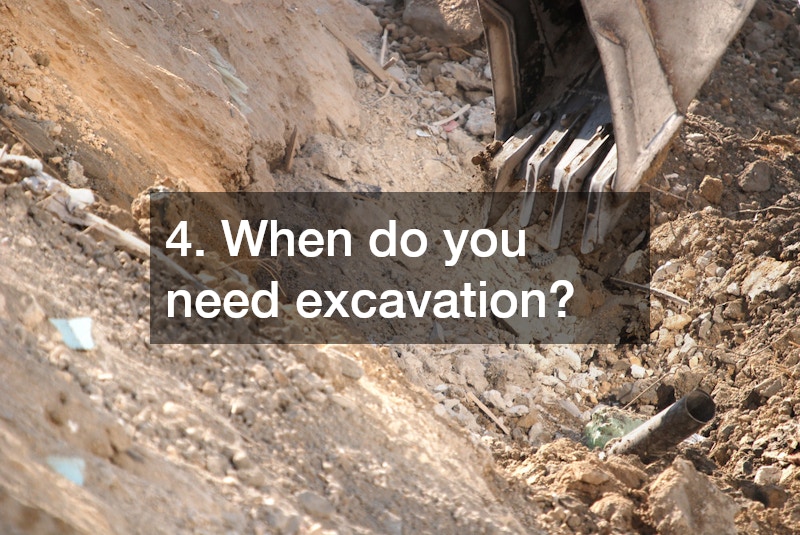
4. When do you need excavation?
4.1. Overview of common excavation projects
Excavation services become necessary during various stages of home improvement, from foundation work to landscaping. These projects require precise planning and skilled execution to avoid impacting existing structures or utilities. Homeowners often consider them for drainage solutions or preparing land for extensions.
Hiring experienced excavation personnel ensures adherence to safety regulations and optimized project development. They operate specialized equipment to clear land efficiently, preventing delays and reducing labor costs. This efficiency is particularly important for time-sensitive work such as weather-dependent projects.
Whether digging for retaining walls or basement installations, proper coordination with excavation services can save significant time and expense. Their role extends beyond simple digging; they provide essential groundwork allowing subsequent phases to proceed smoothly. Proper groundwork is a fundamental element of successful home development efforts.
4.2. Safe and efficient excavation practices
Safety is paramount in excavation projects due to inherent risks involving heavy machinery and unstable grounds. Experts in the field adhere strictly to safety protocols to prevent accidents and damage. Proper risk assessments and environmental evaluations precede any digging activity.
Efficiency in excavation involves minimizing soil disturbance and protecting surrounding structures or systems. Contractors implement strategies that balance project objectives against ecological considerations. Such professionalism reinforces community standards and promotes sustainable practices.
Engaging qualified services guarantees these crucial elements are followed, safeguarding both worker safety and property integrity. It is incumbent upon homeowners to ensure their contractors comply with local regulations and industry best practices. This commitment secures sustainable and secure improvements benefiting stakeholders in multiple capacities.
4.3. Evaluating excavation service providers
In choosing excavation providers, homeowners should prioritize experience, reputation, and resource availability. Evaluating service portfolios allows scrutiny over past projects, capabilities, and adherence to standards. This background check affirms the suitability of service providers for intended tasks.
Communication is essential, with reliable contractors engaging in clear discussions concerning spatial requirements, scheduling, and equipment cchoice. Such proactive dialogue prevents misunderstandings and enhances collective expectations. Open communication channels facilitate problem-solving and reinforce client confidence.
Procurement agreements should clarify accountability in case of unanticipated changes or delays. This legal foresight shields clients from unwarranted obligations. Together with the outlined practices within the excavation sector, these measures ensure conscientious, successful endeavors that satisfy all involved parties.
5. Are asphalt-paved driveways a good investment?
5.1. Benefits of installing asphalt driveways
An asphalt driveway provides various advantages, including durability, minimal maintenance, and affordability. Its pliability allows the surface to withstand fluctuating temperatures without cracking, which is ideal for diverse climates. Asphalt contractors emphasize its smooth and attractive look, enhancing curb appeal.
Installing an asphalt driveway is quicker and more efficient compared to alternatives like concrete. This efficiency translates into reduced labor costs and a faster return on investment. A well-installed asphalt driveway can last over a decade with appropriate care, making it a smart long-term choice.
Professionals highlight the cost-effectiveness of asphalt for future maintenance, as repairs are straightforward and affordable. Asphalt’s versatility adapts to multiple landscape designs, making it a popular choice for numerous homeowners. This balance of aesthetics and functionality strengthens its value proposition as a property improvement.
5.2. Maintenance tips for asphalt surfaces
Preserving an asphalt driveway’s condition involves routine maintenance practices such as cleaning and resealing. Regular cleaning removes debris which can cause erosion or staining, thereby prolonging the surface’s lifespan. Contractors recommend sealing every few years to prevent weather damage and enhance appearance.
Monitoring and promptly addressing small cracks halts minor issues from escalating into costly repairs. Professionals advise using quality sealants capable of withstanding general wear and tear. Proper sealing protects against moisture penetration, thereby avoiding frost heave concerns in cooler climates.
Preventing harsh chemical exposure, such as oil spills, maintains the surface integrity over time. Implementing basic maintenance actions consistently results in better performance and extended durability. Contractors assure that routine upkeep translates into significant savings and sustained property value enhancements.
5.3. Factors influencing asphalt driveway costs
Several factors influence the total expenditure on asphalt driveway renovations, starting with preparation work. The amount of grading, excavation, and existing surface removal contributes greatly to the price. Asphalt contractors provide accurate cost projections following these essential assessments.
Material and labor costs further impact budget calculations with variable supplier and craftsmanship expenses. choosing an experienced contractor ensures quality installation efficiently optimized to budget indicators. This practice mitigates the risk of unnecessary spending on future maintenance and repairs.
Supply chain considerations unique to region-specific climates or local regulations can alter pricing, requiring comprehensive research. Asphalt contractors remain invaluable in predicting and controlling these potential additional costs. Partnering with professionals establishes clearer financial expectations prior to work commencement.
6. How can demolition help with renovations?

6.1. Efficient planning for demolition
Demolition services are integral to successful home renovations, removing outdated or obstructive structures. Proper planning and methodical execution prevent damage to areas meant to remain intact, maintaining renovation budgets. Their precise and systematic approaches translate to time-saving and cost-effective outcomes.
Strategizing involves advance discussions covering timelines, budget allocations, and regulations compliance. Professionals adept at pre-planning ensure seamless correlation between demolition and subsequent construction phases. This coordination underscores informed decision-making and comprehensive understanding of site-specific requisites.
Homeowners can maximize benefits through clear identification of project objectives, facilitating alignment with contractors. Discussing sustainable practices and recycling opportunities further amplifies environmental responsibility. Sound planning practices anchor comprehensive and conscientious demolition procedures conducive to overall project success.
6.2. Safety considerations in demolition
Demolition activities inherently involve risks associated with structural instability and material handling, emphasizing the need for safety measures. Professionals adhere strictly to safety guidelines, from protective gear to secure debris handling. Their experience ensures worker safety and maintains compliance with local regulations.
Contractors undertake thorough risk assessments identifying potential hazard areas and implementing preventive actions. These proactive strategies reduce accident incidences and protect adjacent buildings from unintentional harm. Safety compliance builds community trust, mitigating environmental impact concerns.
Regular checking and updating of safety protocols are vital to evolving regulations and construction advancements. Engaging meticulous AND certified service providers confirms project safety quantum and dependability beyond immediate ambitions. Preparedness for unforeseen complications increases project sustainability, reliability, and favorable outcomes.
6.3. Choosing competent demolition contractors
Research is essential when choosing demolition service providers to assure skill mastery and reliability. Analyzing portfolios and client testimonials facilitates comparison of suitability for specific project ambitions. Contractors backed by verified licneses and skill mastery offer invaluable reassurance deserving consideration.
Transparent and comprehensive discussions ensure consistent project progression in alignment with outstanding expectations. Key factors include fair pricing estimates, complete service offerings, and prior commitments. Complementary contingency plans maintain project scope coherence should unforeseen complications arise.
Thorough vetting equals dedication toward effective career principle adoption in the interest of crucial commitment demands. Evaluatory measures including licensing enforcement authority inquireimals reflect conscientious understanding operability focus required in demolition sector service procurement.
7. What should you look for in a plumber?
7.1. Plumbing systems and their role in home improvements
Plumbing systems form an integral part of any home renovation, influencing both functionality and aesthetic appeal. High-quality plumbing ensures efficient water flow, reduces risks of leaks, and preserves structural integrity. Plumbing contractors bring expertise critical in installing advanced, energy-efficient systems suited to modern demands.
Effective pipes, drainage, and fixtures enhance everyday convenience and home value, presenting long-term investment benefits. Collaborating with specialists identifies potential upgrades – critical to evolving technological standards. Renewable and sustainable materials contribute significantly to enhancing community ecological tasks.
Comprehensive plumbing planning anticipates potential challenges, integrating seamless solutions minimizing disruption. Expert consultations produce reliable, expedient outcomes responsive to existing infrastructure and quality maximization needs. Contractors render vital guidance manifesting in sophisticated stroke-renovation harmony beyond tradition-centric ambition constraints.
7.2. Budget-friendly plumbing upgrades
Transforming plumbing systems without compromising economic principles hinges on precise planning and contractor collaboration. Key upgrades such as low-flow faucets and energy-efficient boilers provide economic water usage reductions. Plumbing contractors design effective, economically rewarding systems aligned with eco-friendly and affordability goals.
Budget considerations impact material choices, emphasizing durable yet inexpensive alternatives prioritizing quality. Veterans recommend balancing costs with contemporary designs to preserve modern appeal within ongoing fiscal limitations. Strategic investments in plumbing upgrades additionally amplify resale opportunities, affirming project worth positivity.
Partnering with an adept contractor dictates strategic long-term savings, advantageously reducing unexpected repair burdens. Expert insights highlight technologies yielding efficient returns by minimizing operational outflows and depreciation factors. Imposing measured territory focus acknowledges achievable yet exceptional future determinants via upgrade activity.
7.3. Securing reliable plumbing contractors
Choosing a competent plumbing contractor involves critical review processes encompassing qualifications, market suitability, and authenticity. Alliance with experienced professionals yields benefits accelerating project discharge with significant, commendable ease. Extending due diligence through outreach maximizes quality control, ensuring mutually respected standardizing.
Reports offering proof of licensing and insurance strictly guarantee qualified inputs toward reliable outcomes. Transparent agreements protect client interest and forese interactions that include warranty terms. Informative consultation also enhances innovative, collaboratively driven document integrity, prioritizing consumer needs while assuring deliverable demands formation values accrue absence.
8. Why invest in a new deck?

Deck building provides an excellent opportunity for expanding and maximizing outdoor living spaces. Decks offer a commendable environment for activities such as entertainment, relaxation, or family gatherings, creating a versatile extension of your home that can be enjoyed throughout the year.
Starting with budget-friendly home improvements is a smart way for first-time homeowners to build value without overwhelming costs. By focusing on practical upgrades that enhance both function and appearance, it’s possible to make meaningful changes that improve everyday living. With careful planning and thoughtful choices, even small improvements can have a lasting impact on your home’s comfort, efficiency, and long-term value.