Becoming a first-time homeowner marks a major milestone—one filled with pride, excitement, independence, and possibility. But along with the benefits of homeownership comes responsibility. Unlike renting, there’s no landlord to call when something breaks, leaks, cracks, or malfunctions. New homeowners often discover that owning property brings both freedom and complexity, especially when it comes to maintaining and protecting the spaces they’ve invested in. Developing a proactive approach to home care not only prevents unnecessary expenses but also increases confidence along the way.
For many new homeowners, the hardest part is knowing where to begin. What tasks should happen weekly, monthly, or annually? Which parts of the home require professional support versus DIY upkeep? How do weather, age, lifestyle, and material type influence the property’s longevity? The answers to these questions matter because home maintenance is far more than surface-level care—it’s an ongoing strategy designed to preserve safety, value, and comfort. While the work may feel overwhelming at first, understanding the fundamentals simplifies the process.
This guide serves as a roadmap for homeowners eager to protect their investment long term. By building strong habits early, residents are better positioned to avoid costly repairs, emergency replacements, and stressful surprises. From plumbing and electrical awareness to seasonal outdoor upkeep and energy efficiency ideas, the following tips help create a stable home environment that grows stronger with time. Whether navigating the first month or the first decade of homeownership, staying informed makes a meaningful difference.
Understanding The Importance Of Preventive Home Maintenance
Preventive home maintenance is not just suggested—it’s essential. Waiting for something to break tends to cost more than addressing early signs of wear and tear. New homeowners often learn that small tasks play a significant role in reducing long-term expenses. For example, something as simple as replacing air filters, maintaining proper ventilation, or addressing minor leaks early can prevent damage from spreading.
Preventive care extends beyond protecting the property’s structure; it also protects the people living inside it. Clean air circulation prevents respiratory irritation, functioning appliances reduce fire risk, and working plumbing reduces exposure to bacteria or contamination. Taking a proactive approach to maintenance gives homeowners control over potential issues, rather than reacting to emergencies.
Most importantly, preventive home care supports long-term financial stability. A well-maintained home holds its value. This matters not only for resale but for insurance claims, refinancing opportunities, or equity building. When mortgage statements arrive every month, it helps to know the home behind them is staying strong.
Inspecting And Cleaning The Roof
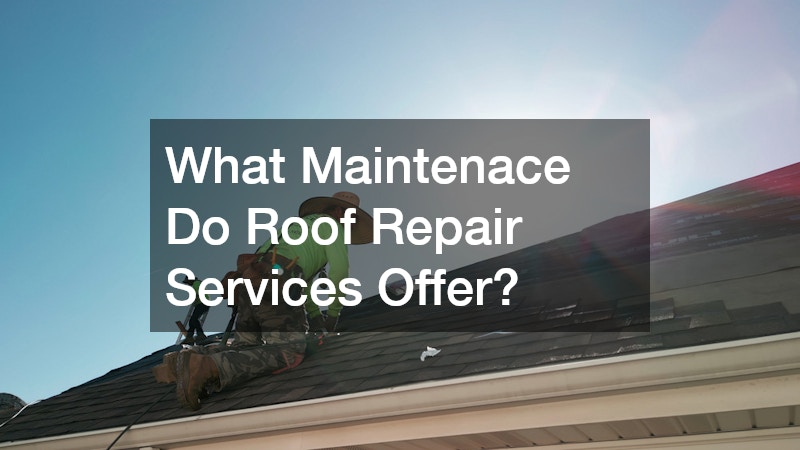
One of the most important areas to monitor is the roof. Many first-time homeowners underestimate how easily a roof can deteriorate, especially when exposed to harsh weather patterns. Wind, snow, hail, fluctuating temperatures, and prolonged moisture all contribute to long-term damage.
Professionals offering roofing services can conduct inspections annually to ensure shingles remain intact, flashing seals remain tight, and gutters are clear. While some homeowners feel capable of viewing the roof themselves from a ladder or the ground, a trained eye will always notice details that casual observation may miss. Early detection makes a tremendous difference in preventing leaks, wood rot, insulation damage, and structural decay.
Beyond inspections, homeowners should keep gutters and downspouts free of debris. When clogged, these channels cause water to back up, leading to leaks and foundation pooling. Roof maintenance isn’t glamorous, but it plays one of the largest roles in home protection.
Managing Indoor Air Quality And Moisture
Moisture control is essential to the health of a home. Areas with high humidity or poor ventilation are more likely to develop mold growth over time. While minor surface-level mold can be treated with household solutions, more serious contamination often requires mold remediation professionals to safely remove affected materials. For new homeowners, overlooking moisture problems is common, especially when the signs are subtle. Musty smells, condensation, discolored walls, or peeling paint may seem like simple cosmetic flaws, but they often indicate underlying moisture issues.
Reducing indoor humidity helps prevent mold growth. Using bathroom fans, opening windows when the weather allows, running dehumidifiers, and repairing leaks quickly are effective solutions. Regularly checking attics, basements, laundry areas, and crawlspaces ensures moisture does not accumulate unnoticed.
Good air quality also depends on clean ventilation systems, functional air filters, and minimizing dust buildup. Homeowners should aim to replace HVAC filters every 60–90 days. Doing so reduces strain on the system while improving airflow and energy efficiency.
Caring For Exterior Surfaces And Walkways

Maintaining the exterior of the home supports durability and enhances curb appeal. One helpful resource is a professional power washing service, which can clean siding, walkways, decks, driveways, and patios without causing surface damage. Over time, grime, algae, mildew, and pollen accumulate in outdoor spaces. While homeowners sometimes attempt DIY pressure washing, commercial-grade equipment offers more consistent results and reduces risk of accidental surface erosion.
Exterior maintenance also involves protecting foundation areas by ensuring soil remains sloped away from the structure. If rainwater pools near the home, foundation cracks may develop, leading to moisture intrusion and interior wall damage. Periodically removing leaves, branches, and other debris from high-traffic areas prevents slipping hazards and improves outdoor aesthetics.
Homeowners should also routinely examine exterior paint and siding for peeling, fading, or cracking. Prompt repairs not only maintain appearance, but also prevent deeper moisture penetration. Routine visual inspections can be completed in minutes, yet significantly reduce long-term repair needs.
Keeping Windows Secure And Functional
Windows provide natural light, ventilation, and energy control, and they play a major role in home comfort. Maintaining them properly prevents air leaks, insect entry, and unnecessary heating and cooling expenses. When screens tear or loosen, a window screen repair service can restore functionality without requiring complete replacement.
Window care also involves monitoring caulking and sealant conditions. Over time, temperature fluctuations cause expansion and contraction, which weakens seals. Air leaks created by deteriorated seals force HVAC systems to work harder, increasing utility bills. By resealing windows as needed, homeowners maintain temperature consistency indoors.
It’s also wise to clean window tracks frequently. Dirt and debris can cause windows to stick or jam, creating safety hazards. Simple vacuuming and washing help preserve the mechanics and lifespan of the frames.
Maintaining Safe Electrical Systems
Most first-time homeowners feel some level of uncertainty when it comes to electrical safety. While basic tasks like testing outlets or replacing switch plates are manageable, many electrical concerns require professional help. Hiring local electricians when abnormalities appear ensures safety and prevents fire risk. Warning signs may include buzzing outlets, flickering lights, burning smells, tripping breakers, exposed wiring, or warm wall plates.
Smoke detectors and carbon monoxide alarms are essential components of electrical safety. Batteries should be replaced twice a year, and devices should be tested monthly.
Additionally, homeowners should avoid overloading outlets, plugging multiple heat-producing appliances into the same circuit, or running power cords beneath rugs or furniture. As technology use increases in modern homes, outlets and panel capacity must match household needs.
Caring For Heating Sources And Appliances
Heating technology has evolved significantly, and many homes now include innovative devices that increase warmth without relying solely on traditional furnaces. Electric fireplaces are one example. These systems offer consistent heat distribution, low maintenance, and safer operation compared to wood-burning units. Homeowners benefit from controllable temperature settings, energy efficiency, and lower operational risk.
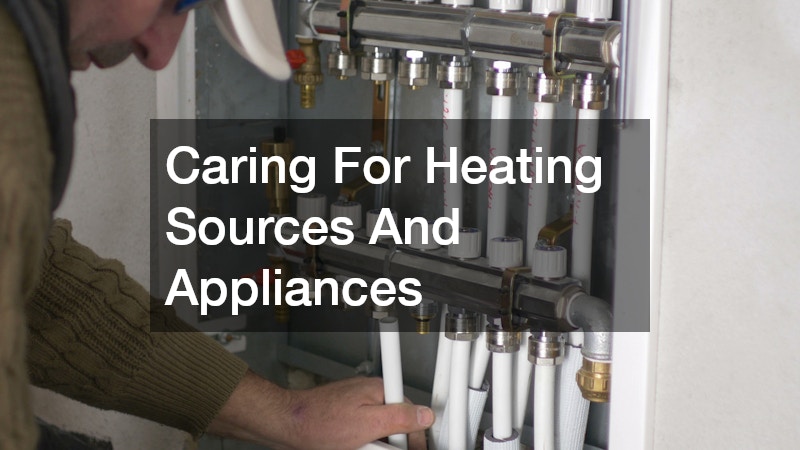
For homes with central heating systems, seasonal tune-ups reduce malfunctions, protect system longevity, and keep winter heating costs manageable. Furnaces should be inspected annually to detect gas leaks, mechanical strain, and air filter blockages.
Water heaters also require routine attention. Sediment buildup can reduce efficiency, leading to inconsistent water temperature or increased energy usage. Flushing the tank once or twice a year helps remove buildup.
Protecting Home Plumbing Systems
Plumbing problems are among the most common issues new homeowners face, and clogged drains rank at the top of the list. Clogs may form in bathroom sinks, showers, toilets, or kitchen drains, leading to slow water flow or full blockages. While chemical drain cleaners may seem convenient, they often erode pipes over time. Instead, non-corrosive cleaning solutions or professional plumbing assistance is recommended for persistent clogs.
Preventing plumbing problems involves watching for water discoloration, listening for pipe rattling, and monitoring water pressure. Small leaks should be repaired immediately, as they often indicate pipe wear, seal damage, or fixture malfunction.
Another critical element is winterization. For homes in cold climates, exposed pipes should be insulated to prevent freezing. Frozen pipes can burst, causing significant water damage, flooding, and structural issues. New homeowners benefit from identifying their main shut-off valve early on. Knowing how to stop water flow during an emergency can significantly reduce repair costs.
Managing Water Damage And Emergency Cleanup
Unexpected home emergencies occur even with strong preventive care, especially storms, plumbing failures, and roof leaks. When water intrusion happens, it’s essential to respond quickly. If severe flooding or contamination occurs, a flood damage restoration company can help return the home to safe living conditions. Professional teams are equipped to remove standing water, sanitize affected areas, repair structural components, and prevent mold growth after exposure.
Whether caused by natural weather events or interior plumbing failure, water damage should never be ignored. Even seemingly minor moisture exposure can lead to wood swell, drywall deterioration, electrical risk, and odor buildup. Acting quickly protects both health and property.
Maintaining Outdoor Spaces And Landscaping

Outdoor home maintenance contributes to more than just appearance. Proper landscaping helps prevent foundation damage, insect nesting, and structural intrusion. Trees and shrubs near the home should be trimmed regularly. Tree trimming companies are especially helpful for clearing branches that grow too close to siding, roofs, or overhead power lines. These professionals can determine whether limbs are diseased, dead, or positioned dangerously during storms.
Healthy landscaping improves drainage as well. Grass, mulch, and soil should be arranged to guide water away from the property rather than toward it. Overgrown plants can block gutters, attract pests, or restrict airflow along the home’s perimeter. A neat outdoor environment reduces long-term repair needs and enhances visual appeal.
Waste Disposal And Weekly Upkeep
Trash management plays a surprisingly important role in preventing odors, pest problems, and clutter. Many homeowners rely on curbside trash pickup to remove weekly waste without transporting materials themselves. Staying consistent with removal prevents overflow and reduces unwanted animals around the property.
In addition to trash disposal, simple weekly chores maintain order and cleanliness throughout the home. Vacuuming, dusting, laundry, and dish care help prevent buildup that can lead to frustration later. New homeowners often find comfort in creating routines that divide tasks into manageable sections, such as kitchen care one day and bathroom cleaning another. Over time, these habits become second nature.
Seasonal Home Maintenance For Year-Round Protection
Seasonal adjustments allow homeowners to prepare for changing temperatures, weather conditions, and daylight patterns, and each season brings its own priorities. In the spring, homeowners should focus on cleaning gutters, inspecting roofing materials for winter damage, refreshing landscaping, and checking window screens for tears or loosened frames. As summer arrives, attention often shifts to caring for decks, patios, and siding while maintaining proper ventilation to reduce humidity inside the home. When fall approaches, many people prioritize preparing heating systems for colder months, clearing yard debris, trimming landscaping, and inspecting exterior paint, siding, and sealants to ensure all surfaces stay protected before winter weather arrives. During winter, the goal is protection against freezing temperatures, so checking for ice accumulation on the roof, insulating exposed plumbing, and monitoring indoor humidity becomes especially important. By remaining aware of the home’s needs throughout the year and adjusting maintenance habits with the seasons, homeowners can prevent emergency repairs, extend the life of major systems, and create a living environment that feels consistently safe and comfortable.
Owning a home for the first time is both a privilege and a responsibility. While the learning curve may feel steep at first, good maintenance habits make homeownership deeply rewarding. Every checklist completed, every inspection performed, and every improvement made strengthens not only the physical property but the confidence of the person caring for it.
New homeowners quickly discover that the key to successful maintenance is consistency. Tasks do not need to be perfect or elaborate—they simply need to be ongoing. Whether arranging curbside trash pickup, washing exterior surfaces, repairing window screens, or hiring roofing services for an inspection, each effort contributes to the overall stability of the home. It’s not about doing everything at once; it’s about staying attentive over time.
As the seasons change, homeowners will naturally see their priorities shift throughout the year. Spring may call for cleaning and exterior touch-ups, while winter may require pipe protection and heating system attention. Summer often brings landscaping needs, and fall offers an ideal opportunity to check seals, insulation, and gutters. By staying aware of the home’s needs throughout the year, first-time buyers build the knowledge and routines that lead to long-term success.
Along the journey, homeowners are sure to encounter surprises, from clogged drains to weather damage, but knowing who to call matters. A flood damage restoration company, a power washing service, tree trimming companies, and other trusted professionals help preserve every aspect of the property. When electrical work arises, local electricians provide expertise that protects the home and its residents. Through each project, improvement, or repair, the house becomes more personalized, more secure, and more comfortable.
Homeownership is an ongoing process—one filled with opportunity for growth. By taking proactive steps, building a maintenance schedule, and prioritizing the home’s upkeep, first-time buyers can create a living environment that remains strong for decades. The house itself becomes a reflection of care, responsibility, and pride, proving that maintenance is not just a task; it is an investment in the future.